


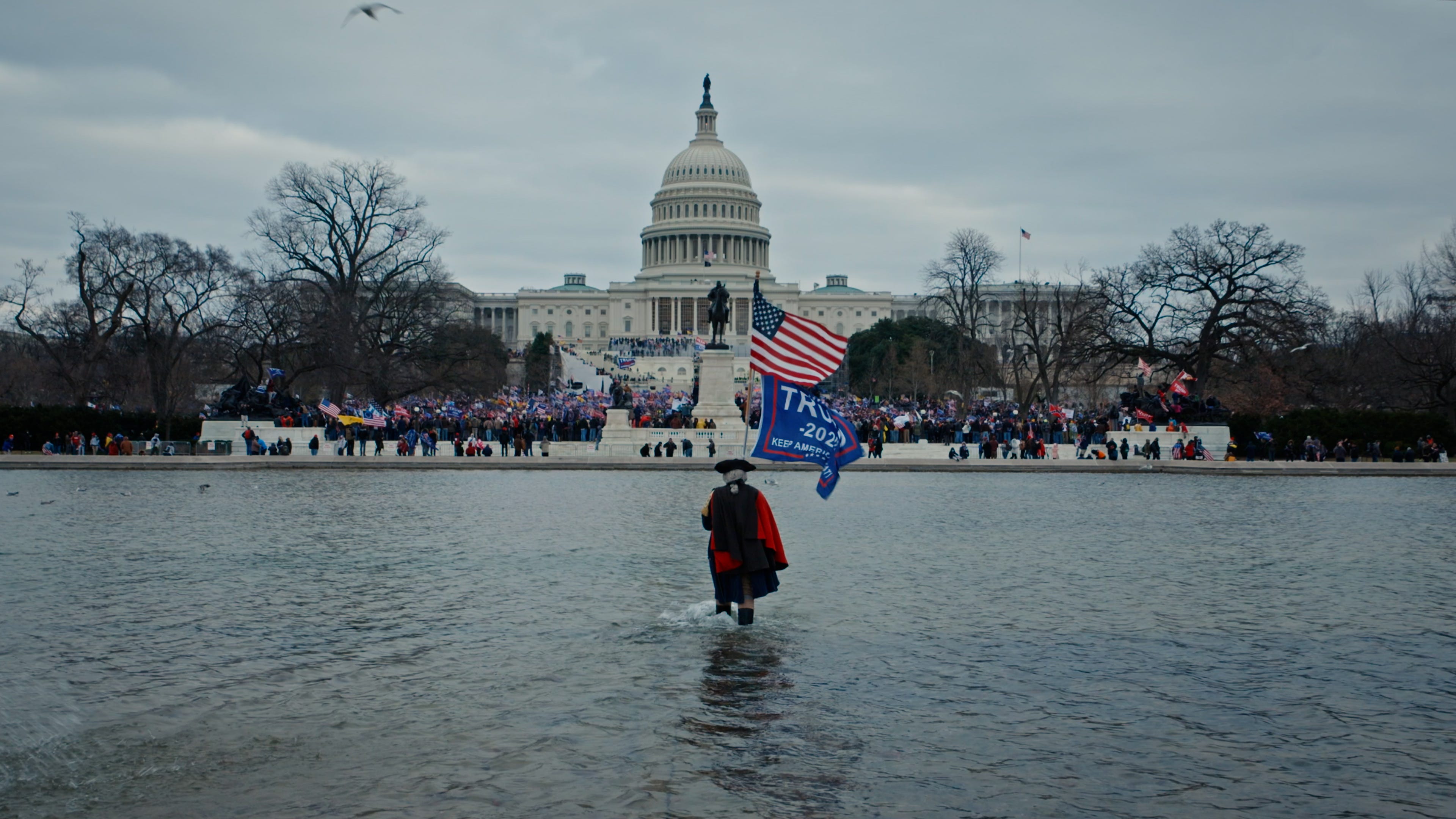
January 6, 2021, was the day I witnessed before my very eyes the first non-peaceful transition of power in our nation’s history. While filming alone for my documentary One Person, One Vote?, I was threatened. I was mugged. Half of my footage was stolen as I inhaled tear gas and watched Capitol Police protect against rioters surging to breach the Capitol. I witnessed thousands of people calling for martial law, so ready and willing to abandon American democracy in exchange for a dictatorship.
Five years later, the impact of experiencing something of that magnitude is still crystallizing and keeps me up at night. The fragility of democracy is no longer an abstract idea; it is a truth emblazoned in my mind, born from the stark reality of my surroundings that day.
On this solemn fifth anniversary of January 6, I am becoming increasingly aware of how profoundly that moment changed me. What crescendos is a calling and an urgency I can’t ignore.
As I watch our country and people fall deeper into hate and division, I feel a personal responsibility to transform what I witnessed on January 6—and what I learned while making One Person, One Vote?—into work that leaves fewer people vulnerable to manipulation and disinformation.
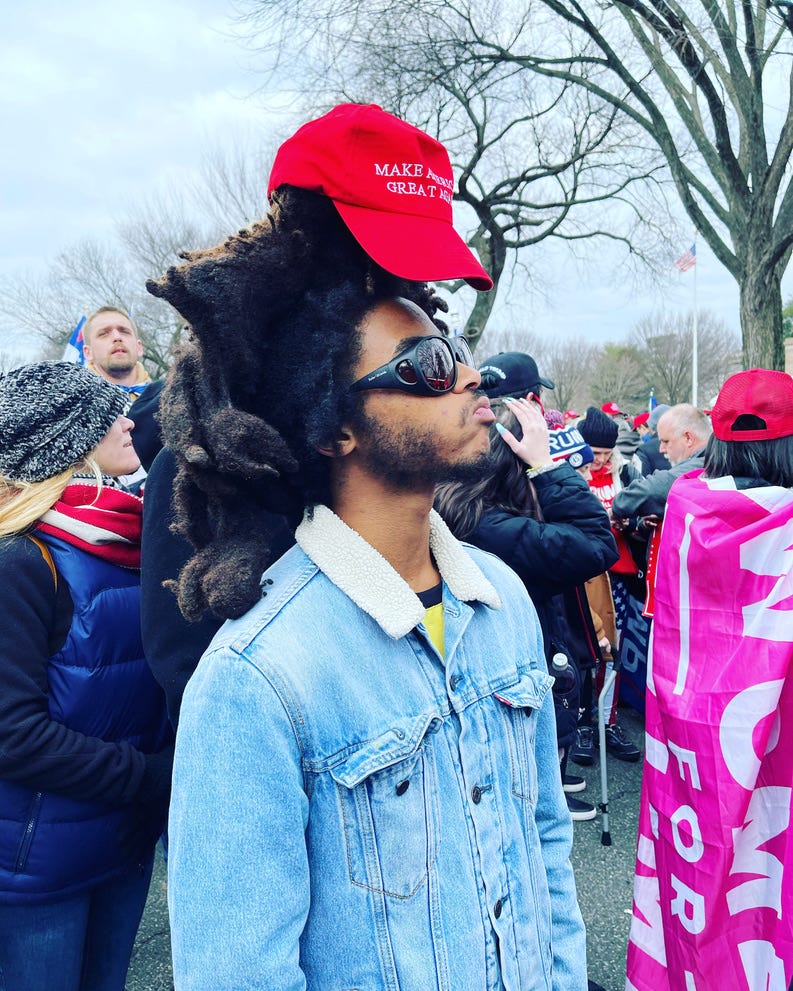
Today, much of the polarization tearing at the fabric of American life is entrenched in our presidential politics. And quietly sitting at the root of it is a system most Americans rarely think about outside of election season: the Electoral College.
The Electoral College is like the Olympics. It dominates our attention for a period of time, then fades from view when the election is over. Yet the system quietly skews influence, discourages participation in non-swing states, and heightens vulnerability even when we’re not watching. And the less we understand it, the more dangerous moments of crisis become.
By turning national elections into contests decided by narrow geographic pressure points, the Electoral College reshapes campaigns, erases millions of votes, and creates fertile ground for manipulation and procedural abuse.
It is a system that can make elections appear far closer than they are. One that enabled a coordinated campaign of manipulation in 2020: political operatives placing Kanye West on presidential ballots in key states to siphon votes; fake electors submitting alternative slates; pressure on state officials to “find” votes; members of Congress objecting to duly certified electoral votes from swing states; and an organized effort to coerce an outgoing vice president into refusing to certify the count.
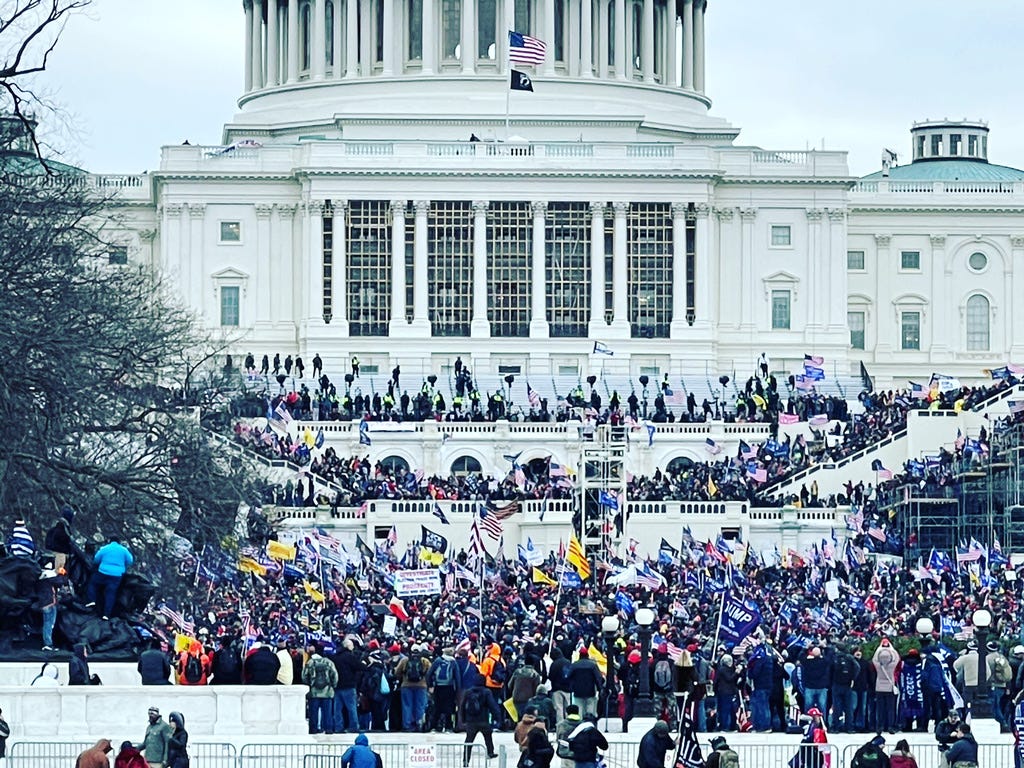
Finally, the Electoral College process provided the venue for thousands to descend on the U.S. Capitol to stop the election, a move that—had it succeeded—would have thrown the country into an unprecedented state of procedural ambiguity with no clear constitutional remedy.
In 2020, one candidate won the presidency by more than seven million votes nationwide. Yet the outcome ultimately hinged on roughly 44,000 votes spread across three states. When elections appear close, politicians resort to the dirtiest forms of politics. And we, as a people, become pawns in that game. Disinformation spreads. Conspiracy theories thrive. We begin believing the “other side” is nothing but evil.
Raw iPhone video I filmed on January 6, 2021, capturing Donald J. Trump’s false claim of election fraud in the battleground state of Pennsylvania. Claims of fraud were not random; they were directed almost exclusively at battleground states. Men perched in the trees were later revealed to be armed.
Through the Electoral College, nationally decisive elections can be transformed into razor-thin contests by a system that elevates a handful of swing states while rendering most others strategically irrelevant. California voters don’t meaningfully shape presidential campaigns. Neither do voters in Alabama, Oklahoma, or New York.
The votes of those states are counted, but they are largely removed from the presidential campaign calculus. As a result, more than 90 percent of presidential campaign spending is concentrated in a small number of states whose priorities, anxieties, and media ecosystems come to dominate national politics.
We saw this in the 2024 election. Because most states, 48 out of 50, award all of their electoral votes to a single winner, presidential campaigns focus almost exclusively on a small number of battleground states.
Being present outside the Capitol that day clarified something headlines largely missed: the manipulation of a system few Americans could clearly explain had unfolded in real time. The strategy was bureaucratic. The violence was shocking. And the vehicle was the machinery of the Electoral College itself.
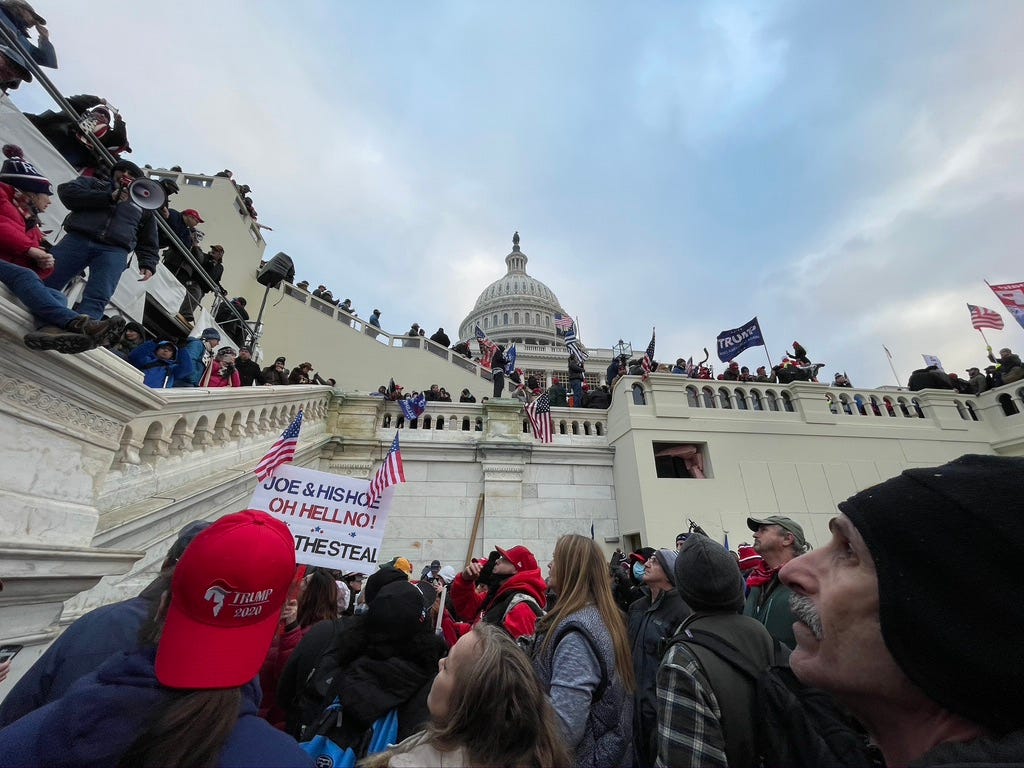
The Electoral College is a system that is mired in inattention. It operates infrequently, in largely unseen spaces, and is poorly understood. It becomes most visible only when something goes wrong. By then, it’s already too late to learn the rules of the game. We are left reacting to outcomes without the tools to analyze or the language to understand how we got there.
Civic education in America is woefully inadequate. When understanding is absent, confusion takes its place, and confusion quickly hardens into anger. That combination is perilously exploitable.
January 6 showed me in the most shocking way that democracy is not self-executing. It relies on an electorate that understands how power and systems of government work.
If we hope to prevent future crises, civic education cannot be optional. Voting is critically important, but it’s not enough. On this five-year anniversary, I am calling on us—as a country, and as a responsible electorate—to commit to deepening civic literacy in ourselves and in our communities. Not so we all agree, but so we can recognize danger early, understand how American government operates, and prevent confusion from carrying us to the steps of the Capitol again.
Read more and watch a video about my experience on January 6, 2021, here.
Maximina Juson is a filmmaker, civic educator, and founder of Humans Understanding Machinery, a media production company in Los Angeles. Her PBS / Independent Lens documentary One Person, One Vote? examines the untold story of the Electoral College. Juson also serves as Executive Director of Civics Is Sexy, an organization that teaches civics through the arts.
Couldn't agree with you more, on all counts (not that I would shy away from disagreeing when warranted:)